

Hotels use lighting all day and night. You see it in rooms, hallways, lobbies, and outside areas. Because lights stay on for long hours, energy use becomes high. This also increases monthly electricity bills and maintenance work.
Today, hotels are trying to use energy more efficiently. One simple step is improving lighting systems. Many properties are moving toward sustainable lighting because it helps reduce waste and gives better control over energy use.
Guests also notice lighting more than you may think. It affects how comfortable a room feels and how safe common areas look. If the lighting is too harsh or too weak, it can change the guest experience.
This is why lighting is now part of hotel planning, not just installation. Small changes in lighting can help you manage cost and improve daily operations at the same time.
8 Reasons Hotels Should Invest in Sustainable Lighting
Hotels are slowly updating how they use lighting. The goal is to save energy and improve how spaces work for guests and staff. Below are the main reasons for this change.
Also read How Terracotta in Restaurants Improves Dining Experience
1. Lower Energy Use
Hotels use lights for very long hours every day, sometimes even 24 hours in common areas. Older lighting systems often use more electricity than needed to produce the same level of brightness. This leads to energy waste without improving results.
New lighting systems are designed to use less power while still giving stable and clear lighting. This helps you reduce overall energy use without changing how your hotel runs day-to-day. Over time, even small changes in each room or hallway can add up to a noticeable reduction in total energy use across the property.
2. Lower Monthly Costs
Electricity is one of the most regular and predictable expenses in hotel operations. When lighting systems use less energy, monthly bills naturally come down. This is important for both small and large hotels that manage tight budgets.
You also save money on maintenance because newer systems do not need frequent bulb changes or repairs. In large hotels, this difference becomes more visible because many rooms and floors need regular upkeep. Over time, these savings help you plan your budget more consistently, without sudden cost spikes.
3. Better Room Comfort
Lighting directly affects how a room feels when a guest enters. Soft, balanced lighting can make the space feel calm and easy to stay in. On the other hand, uneven or harsh lighting can make the room feel uncomfortable or tiring.
Modern lighting systems give better control over brightness and tone. Guests can adjust the lighting to suit their needs, such as reading, resting, or working. This simple control improves comfort without adding extra effort for hotel staff. It also helps create a more consistent experience across different rooms.
Also read Are Terracotta Lamps Good for Restaurant Lighting?
4. Less Maintenance Work
Old lighting systems often need frequent repairs or replacements. This creates extra work for hotel staff. Modern systems last longer and remain stable for longer. This reduces the need for constant maintenance and helps your team focus on other tasks.
5. Safer Common Areas
Good lighting is important for safety. Hallways, stairs, parking areas, and entrances need steady light. Modern systems reduce flickering and dark spots. This helps guests move around safely, especially at night or in less busy areas of the hotel.
Upgrade Your Hotel Lighting Today
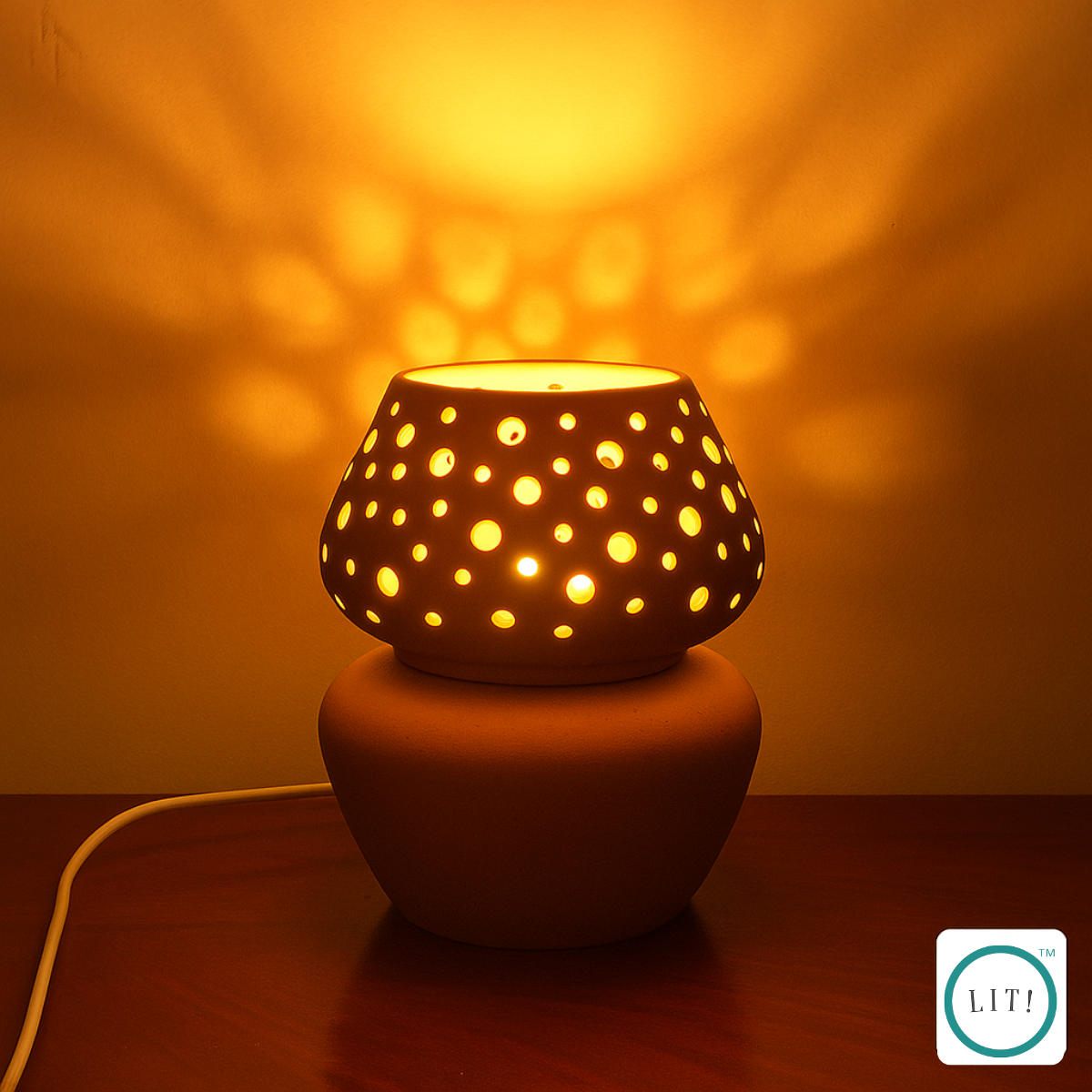
Create a welcoming atmosphere for guests with the Liora Terracotta Table Lamp. Its timeless design and warm illumination make it an excellent addition to hotel rooms, lounges, reception areas, and hospitality spaces.
View Product6. Better Energy Control
Many hotels now use sensors and timers in lighting systems. Lights can turn on when someone enters a room and turn off when the space is empty. This helps you avoid wasting electricity in unused areas. It also makes daily operations easier to manage.
7. Support for Modern Hotel Design
Lighting is now part of how hotels are designed. Designers think about natural light during the day and artificial lighting at night. This balance helps create a simple and useful space. It also helps reduce energy use without changing the building's structure.
At this point, many hotels start thinking about how sustainable lighting fits into long-term planning. It supports both design and energy goals in a practical way.
8. Long-Term Value
Hotels are long-term investments. Lighting systems should also support long-term use. Modern systems may cost more upfront, but they last longer and require fewer repairs. This helps you save money over time and maintain stable operations without frequent changes.
Conclusion
Lighting is one of the most used systems in any hotel. It runs all day and affects cost, comfort, and safety. Because of this, even small changes in lighting can make a difference in daily operations.
When you improve lighting systems, you reduce electricity use, reduce maintenance, and make spaces more comfortable for guests. These changes also help you manage your hotel more effectively.
Over time, better lighting supports smoother operations and helps you plan resources better. It is a simple step, but it can improve how your hotel works every day.
If you are planning to upgrade your hotel lighting, Lit Lamps offers practical solutions that help you make steady, useful improvements without changing your entire setup at once.


